How to Keep Healthcare Software Projects on Track (Even When Things Change)
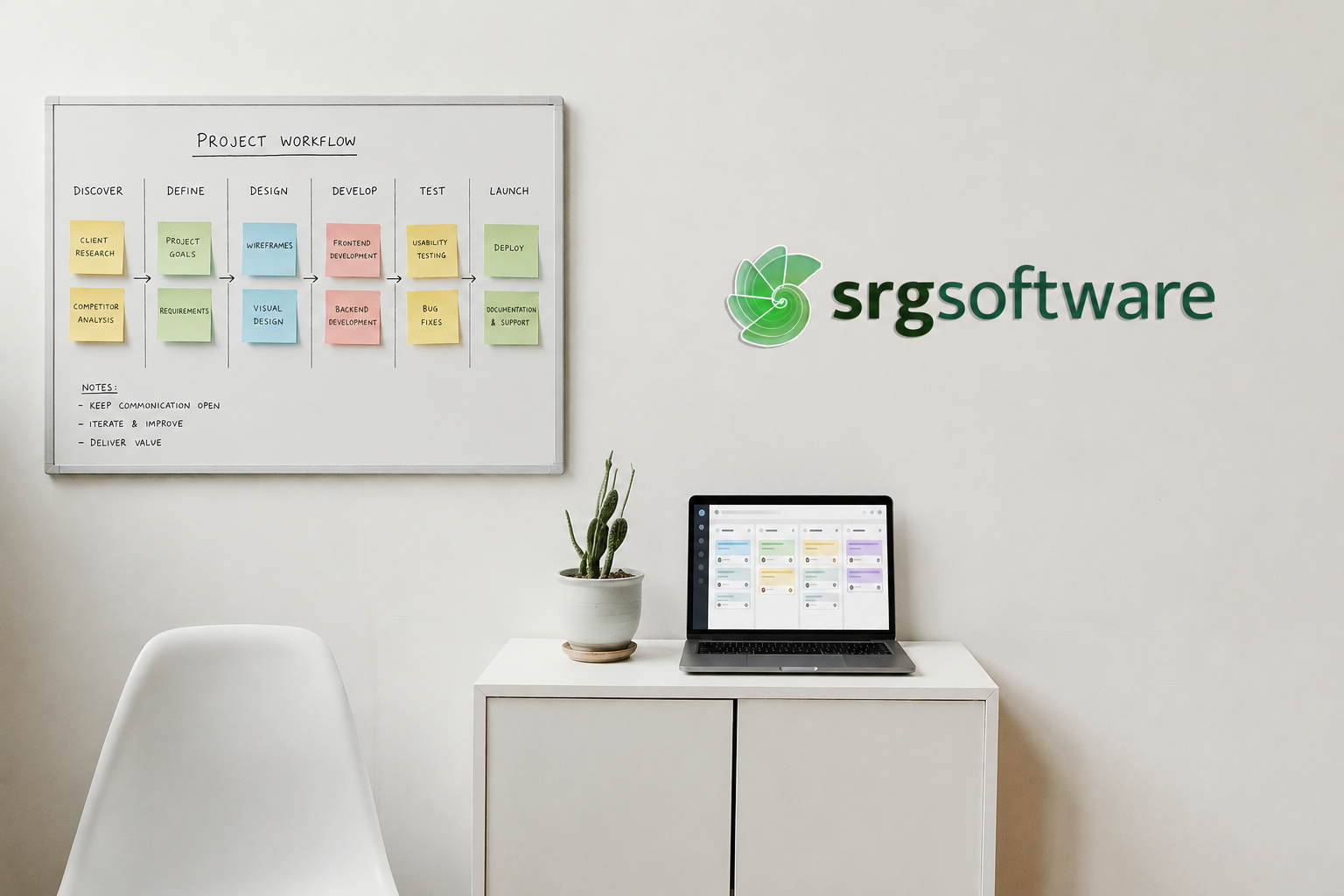
Panta rhei: “everything flows” - attributed to Heraclitus
In healthcare software development, the only constant is change. Regulatory requirements shift, stakeholder priorities evolve, and technical discoveries mid-project can upend even the most carefully laid plans. So how do you deliver on time, on scope, and on budget even when the ground keeps moving beneath you?
The answer, more often than not, comes down to the Project Manager.
There's a common misconception in software development that the Project Manager (PM) and the Product Owner (PO) are interchangeable. They're not, and confusing the two can quietly derail a project.
The Product Owner is focused on the what and the why - defining the product vision, prioritizing the backlog, and serving as the voice of the customer. For a deeper dive on that role, check out our blog post on why the Product Owner is key to software development success.
The Project Manager, by contrast, owns the how and the when. They are responsible for orchestrating the team, managing timelines, resolving blockers, and keeping every moving part of the project aligned with the delivery goal.
That said, in practice, the lines can blur. Sometimes project managers step in and serve as product owners if customer partners do not have one of their own - taking on backlog ownership and stakeholder communication in addition to their core PM responsibilities. It's a demanding dual role, but it's often what separates a project that ships from one that stalls.
These are the core elements of effective software project management:
1. Planning: Laying the Foundation
A project that skips rigorous upfront planning is already behind. Before a single line of code is written, the PM should have a clear picture of scope, team capacity, dependencies, and risk.
Task management tools and processes are central to this. Platforms like Jira (our usual choice at SRG) allow PMs to build out structured backlogs, assign work, track progress in real time, and flag blockers before they become emergencies. Well-structured epics, stories, and tasks give the whole team a shared language and a single source of truth.
Delegation is equally critical. That means matching tasks to the right people, clearly communicating expectations, and trusting the team to execute while staying close enough to intervene when needed.
2. Communication: Keeping Everyone in the Loop
In healthcare software development, miscommunication can have real downstream consequences for patient-facing systems. Clear, consistent communication is non-negotiable.
Effective communication in this environment means:
Establishing regular touchpoints — standups, sprint reviews, and stakeholder check-ins create predictable rhythms that surface problems early.
Managing remote and asynchronous teams — with distributed development teams increasingly common, PMs need to be intentional about async communication. That means thorough written updates, clear meeting agendas, and tools like Slack that keep conversations accessible across time zones.
Closing the loop — it's not enough to send a message. Effective PMs confirm that information was received, understood, and acted upon.
3. Documentation: The Unsung Hero of Projects
Documentation is often, unfortunately, treated as an afterthought. It shouldn't be. Thorough documentation of requirements, decisions, change requests, and testing outcomes serves as the project's memory bank. When a stakeholder asks why a decision was made three months ago, documentation is what keeps the team from guessing.
In healthcare contexts, especially where audit trails and compliance requirements are ever-present, a well-maintained documentation practice is both a professional standard and a safeguard.
4. Transparency: Building Trust Through Visibility
Healthcare organizations are trusting software vendors with sensitive systems. Transparency isn't just good project management; it's how trust is built and maintained.
That means being honest about timelines, communicating risks proactively (not after the fact), and giving stakeholders genuine visibility into the project. A green dashboard that hides red problems is worse than no dashboard at all. The goal is a shared, accurate picture of where the project stands, always.
When Things Change: Agile Change Management in Practice
In healthcare software, changes might come from a shifting regulatory landscape, a new stakeholder priority, or a technical discovery that forces a design rethink. The question isn't whether change will happen, it's whether your team is ready for it.
At SRG, we approach this through Agile methodologies and a disciplined change management process with a "test, track, deploy" cycle that keeps changes controlled, documented, and reversible.
When a change request comes in, whether from a stakeholder, a customer partner, or the development team itself, the PM's first job is to identify which areas of development will be affected: architecture, UI/UX design, specific features, or some combination. This triage step prevents small changes from creating large, unintended ripples.
From there, the process looks something like this:
Assess impact: What changes, and how much does it cost in time and resources?
Communicate clearly: Stakeholders need to understand the tradeoffs, not just the outcome.
Update the backlog: This means reprioritizing stories, adjusting sprint plans, and ensuring the team has what they need to pivot cleanly.
Test, track, deploy: Changes are validated in a controlled environment before they reach production.
How SRG's Project Managers Handle the Hard Stuff
Every project hits moments of pressure like sudden pivots or unexpected miscommunications that can slow things down. At SRG, our project managers treat these not as failures, but as expected features of complex software work. Emerging bottlenecks are seen as signals of an unresolved dependency, an unclear requirement, or a team member who needs support.
When a pivot comes from a customer partner, our PMs work quickly to separate what's truly urgent from what's simply new. Not every change needs to be addressed in the current sprint. Some belong in the backlog, while some require a broader conversation about scope and timeline.
When miscommunications occur - and they do - the focus is on resolution, not blame. That means getting the right people in the same conversation quickly, documenting what was misunderstood, and updating processes to reduce the chance of it happening again.
The Bottom Line
Keeping a healthcare software project on track doesn’t boil down to just a perfect plan. It's more about having a skilled project manager who knows how to adapt when the plan changes. With the right foundations in place: thoughtful planning, clear communication, rigorous documentation, radical transparency, and a tested approach to change management, your project can absorb disruption without losing momentum.
“After a few decades in healthcare technology, one thing still surprises me: projects usually fail because people slowly lose alignment. Good project management isn’t bureaucracy. It’s helping people stay pointed in the same direction while reality keeps changing around them.”
That's what great project management looks like. And in healthcare software, it's not a nice-to-have. It's essential.